Ask a finance leader how they know the numbers are right, and they will point to audit. Ask a safety leader, and they will describe a management system built to catch what goes wrong before it hurts someone. Ask a quality leader, and they will walk you through the procedures every deliverable has to pass.
Now ask an engineering leader a narrower question. When a requirement leaves the specification and travels through datasheets, drawings, the bill of materials and the vendor's package, how do you know it arrived intact?
Most will describe a review. Some will describe a very good one. Very few will describe a discipline: something defined, owned and repeatable that confirms what was engineered still matches what was required.
That gap is not a failure of effort. It is a gap in structure. The work of checking content against its governing requirement has always existed, carried out by experienced engineers, owner's engineers and technical assurance teams. It has simply never been treated as a discipline in its own right, separate from engineering document management, which stores the deliverable, and from engineering requirements management, which stores what was asked for.
Who ensures requirements survive across engineering handoffs?
Every industrial asset, product and system starts as a set of requirements. A customer, an owner or a regulator states what must be true. Then that intent is handed on, again and again. An engineer turns it into a design basis. Another turns the design basis into datasheets and drawings. Procurement turns those into purchase orders and a bill of materials. A supplier interprets the order and returns a vendor package.
Each step is a handoff, and at each one a new person reads the requirement, interprets it and writes it down in a new form.
Most of the time, it survives. When it does not, the result is rarely dramatic at the moment it happens. A value is carried forward from the wrong revision. An addendum that tightened a material requirement never reaches the datasheet. A deviation approved for one item is quietly applied to three. Each document still looks complete. Each review still passes. The problem surfaces later, on site, in the plant or at the customer, where it is far more expensive to put right.
So why does nothing an enterprise already runs catch it? Because each system was built to answer a different question.
| Discipline | The question it answers | Where it stops |
|---|---|---|
| Quality assurance | Was the review procedure followed? | A procedure can be followed perfectly while the content is wrong |
| Requirements management | What was asked for, and where is it allocated? | It records intent, not whether intent was carried through |
| Document control | Is this the right version, issued to the right people? | It governs the document's movement, not what the document says |
| Compliance | Does this meet the external code or regulation? | Owner standards and project specifications are usually stricter and more specific |
Each system is mature and necessary. None of them holds the deliverable up against the requirement that governs it.
That is the missing piece, and it sits in the space between them.
What is engineering assurance?
Definition
Engineering assurance is the practice of validating engineering handoffs against the requirements, standards, specifications, drawings and data that govern them.
Put simply, it confirms that a deliverable meets what was required, not just that someone reviewed it.
The term itself is not new. Rail, defense and systems engineering have long used "assurance" to describe structured arguments that a system is safe or fit for purpose. Owner's engineers and technical assurance teams in energy and infrastructure have done versions of this work for decades, usually as a specialist service or a senior engineer's personal responsibility. What has been missing is a clear definition of the discipline at the level where most engineering risk actually sits: the content of the documents that pass between parties.
For engineering assurance to work as a discipline rather than a one-off check, four things need to hold at the same time.
- The governing set is known. The standards, specifications, addenda and approved deviations that apply are held by the organisation, not remembered by each reviewer.
- The order of authority is settled first. When several documents address the same parameter, it is clear which one governs before anything is checked.
- The deliverable is read as engineering. Values, units, materials, tags and conditions are what get checked, not just the wording around them.
- Every conclusion carries its proof. Each finding points to its clause and its evidence, so another engineer can verify it rather than take it on trust.
Remove any one of these and the result is still useful, but it is a review, not an assurance practice. Together, they make the outcome repeatable, explainable and defensible.
How do requirements get lost between specification and release?
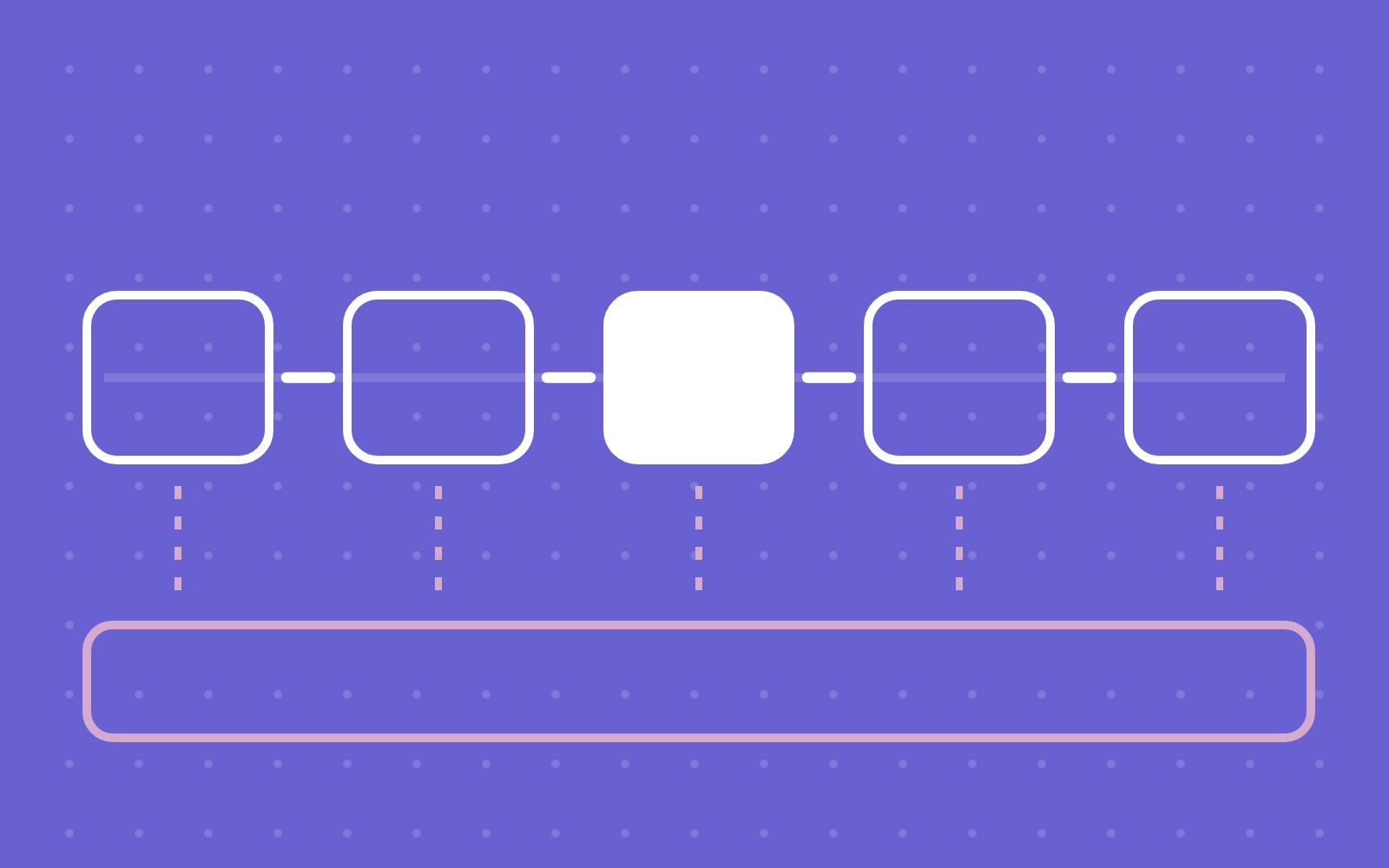
Engineering assurance is not a final inspection. It runs alongside the work, at each point where a requirement changes hands.
Each arrow is a handoff: a point where the requirement is re-read and re-written by someone new.
Illustrative example
A project specification sets a minimum design temperature for a set of valves. The design basis carries it correctly, and so does the datasheet. Weeks later, a revised addendum tightens the material requirement for low-temperature service. The datasheet and drawing are revised to match, but the bill of materials is built from the earlier datasheet revision, and the purchase order follows the BOM. The vendor supplies exactly what was ordered. Every document in the chain is internally consistent, every review was signed, and the valves that arrive do not meet the requirement that governs them.
Nothing in that story involves carelessness. It involves a requirement passing through several hands and several revisions, with no point at which someone held the final deliverable up against the governing clause. Engineering assurance creates that point, at every handoff rather than once at the end.
The same pattern appears wherever a requirement set by one party has to be delivered by another. In capital projects, it is a contractor's or vendor's documents measured against the owner's standards. In manufacturing, it is a customer's specification carried into an engineered order. In regulated industries, it is a turnover or qualification package measured against the protocol it must satisfy. The names change from industry to industry. The underlying question does not.
How does engineering assurance enable requirements traceability?
Requirement traceability is usually described as a property of a system: a matrix that links a requirement to the deliverable meant to satisfy it. That is the record of intent. It tells you a requirement was allocated and that somebody later marked it closed. What it rarely holds is the evidence behind that status.
Engineering assurance produces the other half. Because every check is performed against a named clause at a named revision, the link between requirement and deliverable is created as a by-product of the review rather than maintained alongside it. The requirement, the document that was checked, the clause version in force at the time and the engineer who ruled on it are recorded together.
That distinction matters when the question arrives late. A traceability matrix answers was this closed? Assurance answers on what basis? Engineering requirements management holds the first. Requirements validation and requirements verification produce the second, and engineering document management is where both have to remain findable once the project team has moved on.
Why engineering assurance matters now
If this work has always existed, why give it a name now? Three pressures have arrived together.
- The volume has outgrown the reviewers. Projects and engineered orders carry more documents, more revisions and more parties than they did a generation ago. Each additional party adds handoffs, and each handoff adds a place where a requirement can drift. The number of engineers qualified to judge whether a deliverable truly meets an owner's standard has not grown at the same pace.
- Senior judgement is concentrated and leaving. The people who know which clause governs, why a deviation was approved and where a vendor tends to cut corners are often a small group of experienced engineers. As they retire or move on, that knowledge goes with them, because it was never captured as a practice.
- The tools have caught up, and so has the risk of misusing them. Industrial AI can now read engineering documents at a scale no team can match: extracting values, comparing revisions and surfacing where one document disagrees with another. But reading is not judging. Deciding whether a discrepancy matters, which requirement governs and what happens next remains an engineering decision, and it has to stay with an accountable engineer.
Quality assurance proves the process ran. Engineering assurance proves the requirement survived.
Taken together, these pressures turn engineering assurance from a quiet specialist activity into a leadership question: how does the organisation know, with evidence, that what it releases meets what was required?
Five questions to assess your engineering assurance process
Engineering assurance starts with an honest look at how the work is done today. These questions are a useful place to begin.
- Who owns the question?When a deliverable leaves your organisation or arrives from a supplier, is there a named person or function accountable for confirming it meets the governing requirement, or is it assumed to be covered by review?
- Is the governing set written down?Could you list, for a given project or order, every standard, specification, addendum and approved deviation that applies, and say which one wins when they disagree?
- Where are requirements re-entered by hand?Every point where a value is retyped from one document into another is a point where it can change. Do you know where those points are?
- Could you prove it later?If a customer, an auditor or a dispute asked how you confirmed a requirement was met, could you show the clause, the evidence and the decision, or only that a review took place?
- What happens when your best reviewer is unavailable?If the answer depends on one or two people, the practice belongs to them, not to the organisation.
If several of these are hard to answer, the gap is not unusual. It is the gap this discipline exists to close.
Closing the gap between requirement and release
Every mature industry eventually gives a name to the work it depends on most. Naming it is what allows a discipline to be owned, measured, staffed and improved, rather than left to the good habits of individuals.
Engineering assurance is that name for the space between requirement and release. It does not replace quality, requirements or document management. It completes them, by answering the one question they were never designed to answer: did the requirement survive?
To go deeper on the category itself, read what engineering assurance is.